About Us
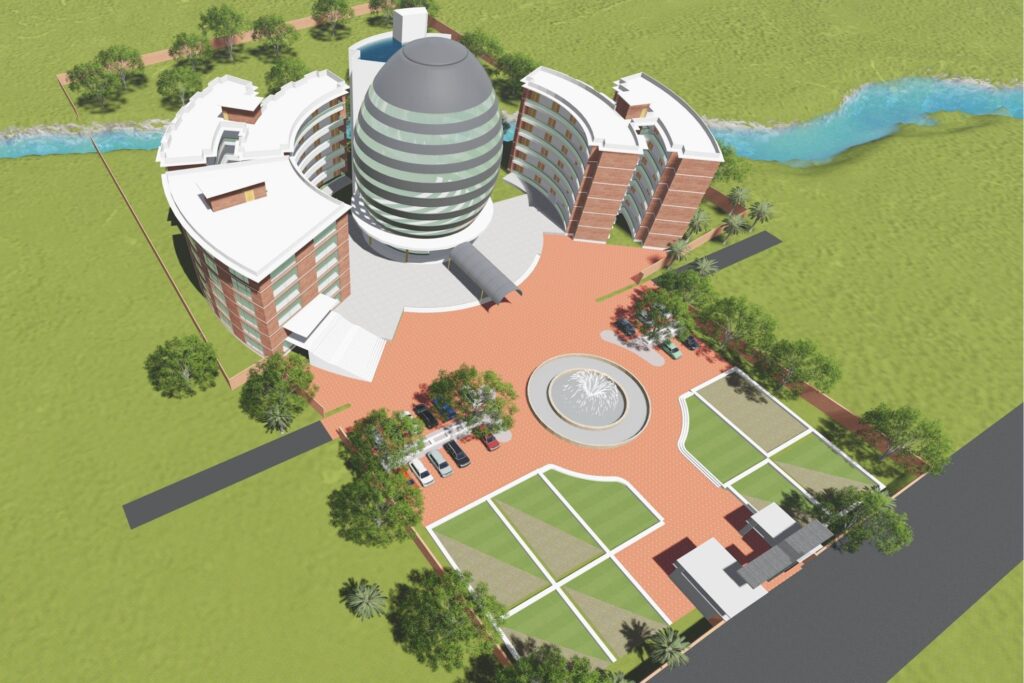
Sheikh Kamal IT Business Incubator is a breeding ground for bold ideas and aspiring entrepreneurs. Where we bridge the gap between academic brilliance and real-world application, nurturing university-based research and innovation into thriving IT/ITES startups.
Established in 2012 with the collaborative efforts of the ICT Division, CUET, and BHTPA, the Sheikh Kamal IT Business Incubator (SKITBI) represents a pivotal initiative in the landscape of Bangladesh’s IT/ITES sector. Following a strategic review and revitalization in 2017, SKITBI was officially inaugurated in December 2019, marking a milestone in its commitment to empowering university-based innovation.

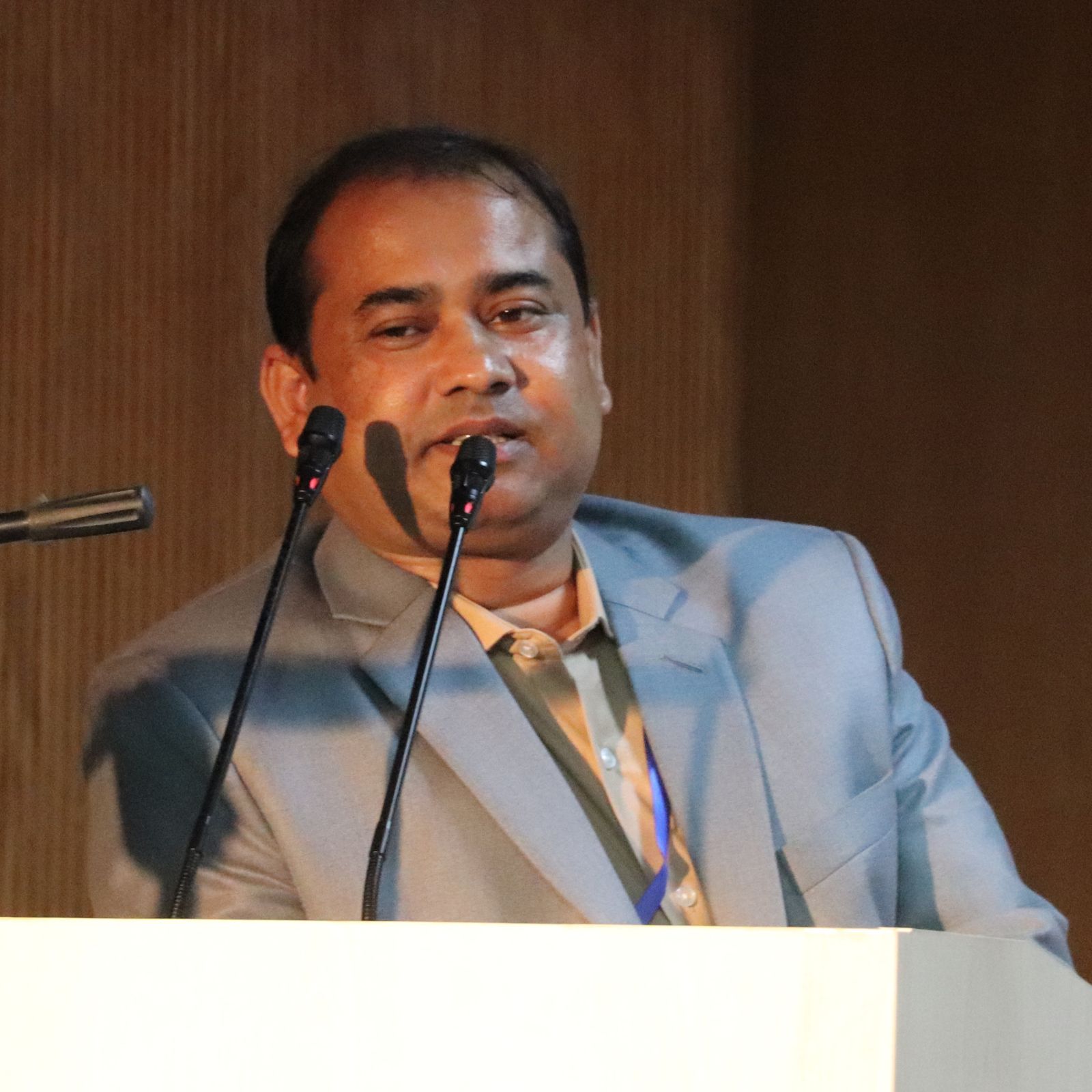
Director's Message
Facilities
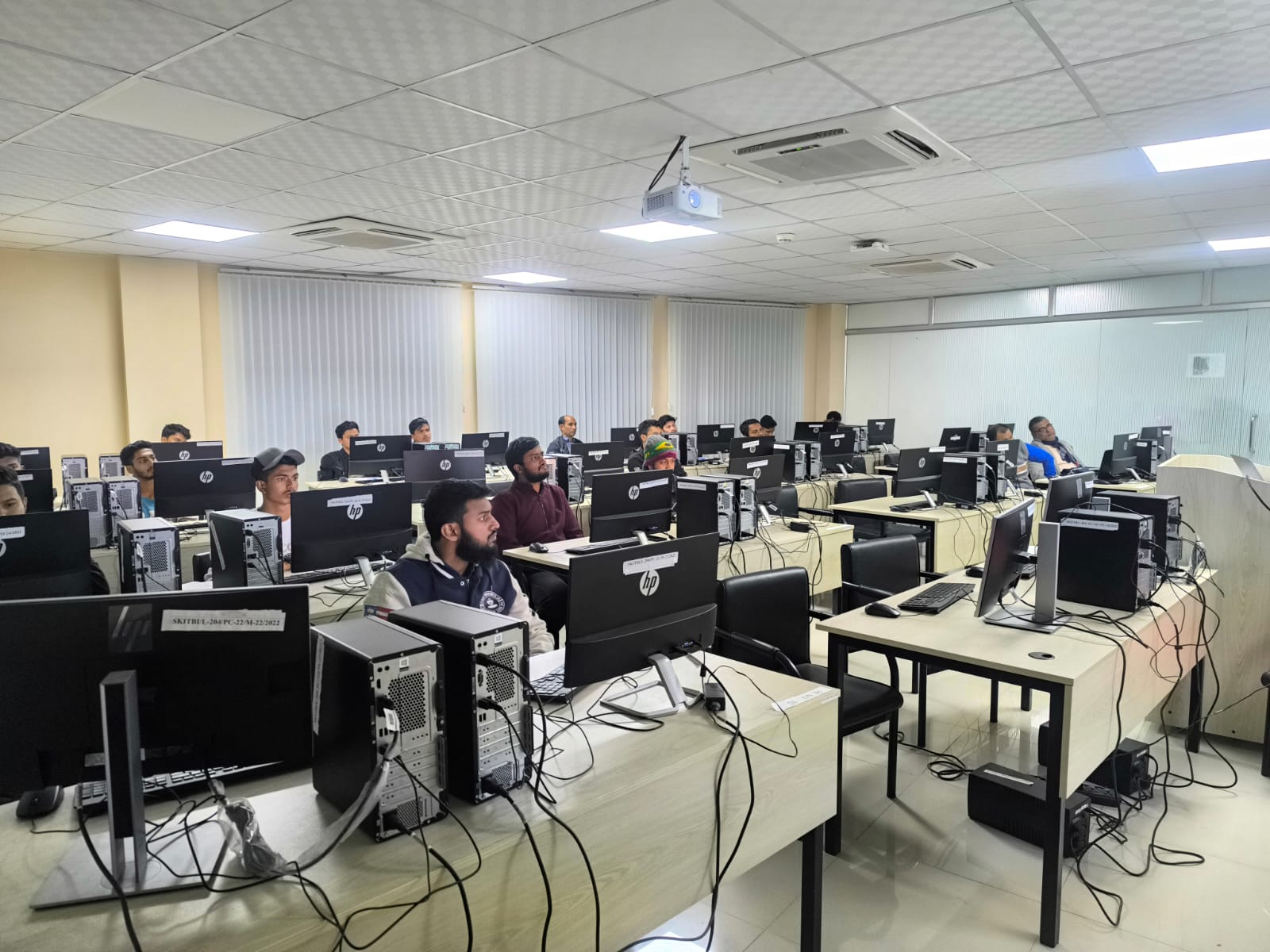
SKITBI provides state-of-the-art hardware, ensuring startups have access to the latest and most powerful computing resources for their development and testing needs.
Our incubator offers a robust software infrastructure, including development tools and platforms, facilitating the creation and optimization of innovative software solutions.
Startups benefit from dedicated workstations equipped with essential tools and technology, providing a focused and productive environment for their day-to-day operations.
SKITBI features collaborative spaces designed to foster interaction and idea exchange among startups, creating a vibrant atmosphere that stimulates innovation.
SKITBI features collaborative spaces designed to foster interaction and idea exchange among startups, creating a vibrant atmosphere that stimulates innovation.
Access to specialized laboratories allows startups to conduct research, experiments, and testing in areas specific to their industry, promoting hands-on learning and development.
SKITBI offers industry standard skill development courses, empowering human resources with the necessary knowledge and expertise to navigate the challenges of the IT/ITES sector successfully.
Startups engage in industry-relevant projects, gaining practical experience and exposure to real-world challenges, aligning their efforts with market demands and enhancing their overall competitiveness.
Gain practical IT/ITES insights through valuable industry internships. Connect with partners for firsthand experiences, enhancing skills and industry understanding. This hands-on approach aligns with our commitment to equip aspiring entrepreneurs with practical knowledge for success in the dynamic tech landscape.
COURSES

Module 1: Introduction to Web Development
- Topics Covered:
- Overview of web development and its importance.
- Differentiating between front-end and back-end development.
- Introduction to HTML, CSS, and JavaScript.
- Duration: 3 hours
- Comments: Provides a foundational understanding of web development concepts and technologies.
Module 2: HTML and CSS Basics
- Topics Covered:
- Structure and semantics of HTML.
- Styling web pages with CSS.
- Duration: 6 hours
- Comments: Introduces the fundamental building blocks for creating and styling web content.
Module 3: Introduction to JavaScript
- Topics Covered:
- Basics of JavaScript programming.
- Variables, data types, and operators.
- Duration: 9 hours
- Comments: Covers the essentials of client-side scripting for interactive web pages.
Module 4: Responsive Web Design
- Topics Covered:
- Importance of responsive design.
- Media queries and flexible grid layouts.
- Duration: 6 hours
- Comments: Teaches techniques for creating websites that adapt to different screen sizes.
Module 5: Introduction to Front-end Frameworks (e.g., Bootstrap)
- Topics Covered:
- Overview of front-end frameworks.
- Hands-on experience with Bootstrap.
- Duration: 6 hours
- Comments: Introduces the use of frameworks to streamline front-end development.
Module 6: JavaScript DOM Manipulation
- Topics Covered:
- Manipulating the Document Object Model (DOM).
- Event handling and interactions.
- Duration: 9 hours
- Comments: Explores dynamic content changes and user interactions using JavaScript.
Module 7: Version Control with Git
- Topics Covered:
- Understanding version control.
- Basic Git commands (clone, commit, push, pull).
- Duration: 6 hours
- Comments: Introduces version control to manage code changes effectively.
Module 8: Introduction to Back-end Development
- Topics Covered:
- Overview of back-end technologies.
- Introduction to server-side programming.
- Duration: 3 hours
- Comments: Sets the stage for understanding the server-side of web development.
Module 9: Server-side Scripting (e.g., Node.js)
- Topics Covered:
- Basics of server-side scripting.
- Introduction to Node.js and its ecosystem.
- Duration: 9 hours
- Comments: Delves into server-side programming using Node.js.
Module 10: Express.js Framework
- Topics Covered:
- Introduction to the Express.js framework.
- Building server-side applications with Express.
- Duration: 6 hours
- Comments: Explores the use of Express.js for building robust back-end applications.
Module 11: Database Fundamentals
- Topics Covered:
- Introduction to databases.
- Basics of SQL and database design.
- Duration: 9 hours
- Comments: Lays the groundwork for understanding and working with databases.
Module 12: Full-stack Development
- Topics Covered:
- Integrating front-end and back-end technologies.
- Building a full-stack web application.
- Duration: 9 hours
- Comments: Brings together the knowledge gained to develop a complete web application.
Course Summary:
- Subject Comments: Web Development from Beginner to Advance
- Total Duration: 72 hours

Module 1: Introduction to Digital Marketing
- Topics Covered:
- Understanding the landscape of digital marketing.
- Evolution and importance of digital marketing in business.
- Key terminology and concepts.
- Duration: 3 hours
- Comments: Provides an overview and context for the entire digital marketing course.
Module 2: Fundamentals of Marketing Strategy
- Topics Covered:
- Basics of marketing strategy.
- Target audience identification.
- Setting marketing objectives and goals.
- Duration: 6 hours
- Comments: Establishes the foundational principles of marketing strategy applicable to digital channels.
Module 3: Website Basics and Optimization
- Topics Covered:
- Importance of a business website.
- Website optimization for search engines (SEO).
- Duration: 9 hours
- Comments: Introduces the fundamentals of website creation, optimization, and search engine visibility.
Module 4: Social Media Marketing (SMM)
- Topics Covered:
- Overview of major social media platforms.
- Developing a social media strategy.
- Content creation and management.
- Duration: 9 hours
- Comments: Covers strategies and tactics for effective social media presence and engagement.
Module 5: Search Engine Optimization (SEO)
- Topics Covered:
- In-depth understanding of SEO principles.
- On-page and off-page optimization techniques.
- Duration: 9 hours
- Comments: Dives into the details of SEO to improve website visibility and ranking on search engines.
Module 6: Pay-Per-Click (PPC) Advertising
- Topics Covered:
- Introduction to paid advertising.
- Setting up and managing PPC campaigns.
- Duration: 6 hours
- Comments: Teaches the essentials of paid advertising, including budgeting and campaign optimization.
Module 7: Email Marketing
- Topics Covered:
- Crafting effective email marketing campaigns.
- Building and segmenting email lists.
- Duration: 6 hours
- Comments: Explores the power of email as a marketing tool and best practices for successful campaigns.
Module 8: Content Marketing
- Topics Covered:
- Creating valuable and shareable content.
- Content distribution strategies.
- Duration: 6 hours
- Comments: Focuses on using content to attract, engage, and convert customers.
Module 9: Analytics and Data Interpretation
- Topics Covered:
- Introduction to digital marketing analytics tools.
- Analyzing and interpreting data for decision-making.
- Duration: 6 hours
- Comments: Emphasizes the importance of data-driven decision-making in digital marketing.
Module 10: Social Media Advertising
- Topics Covered:
- Creating and optimizing social media ads.
- Ad targeting and budgeting.
- Duration: 6 hours
- Comments: Explores the world of paid advertising on social media platforms.
Module 11: Influencer Marketing
- Topics Covered:
- Understanding influencer marketing.
- Identifying and collaborating with influencers.
- Duration: 6 hours
- Comments: Introduces a growing aspect of digital marketing through influencer collaborations.
Module 12: Advanced Digital Marketing Strategies
- Topics Covered:
- Advanced marketing automation.
- Multichannel marketing strategies.
- Duration: 6 hours
- Comments: Covers advanced tactics and strategies for comprehensive digital marketing campaigns.
Course Summary:
- Subject Comments: Digital Marketing from Beginner to Advance
- Total Duration: 72 hours

Maksud Alam Chowdhury

Module 1: Introduction to Graphic Design
- Topics Covered:
- Understanding the fundamentals of graphic design.
- Historical overview of graphic design.
- Role of graphic design in various industries.
- Duration: 3 hours
- Comments: Provides a foundational understanding of the principles and significance of graphic design.
Module 2: Design Principles and Elements
- Topics Covered:
- Exploring design principles (balance, contrast, emphasis, rhythm, unity).
- Understanding design elements (line, shape, color, texture).
- Duration: 6 hours
- Comments: Establishes the core principles and elements that form the basis of effective graphic design.
Module 3: Introduction to Design Software
- Topics Covered:
- Overview of popular graphic design software (Adobe Illustrator, Photoshop, or equivalent).
- Basic tools and functionalities.
- Duration: 9 hours
- Comments: Introduces students to essential design software and their basic features.
Module 4: Typography in Graphic Design
- Topics Covered:
- Typography fundamentals.
- Pairing fonts and creating effective type layouts.
- Duration: 6 hours
- Comments: Focuses on the art and science of typography in graphic design.
Module 5: Color Theory and Application
- Topics Covered:
- Understanding color theory.
- Effective color combinations and schemes.
- Duration: 6 hours
- Comments: Explores the psychological and aesthetic aspects of color in design.
Module 6: Logo Design
- Topics Covered:
- Principles of effective logo design.
- Creating a memorable and scalable logo.
- Duration: 9 hours
- Comments: Practical application of design principles in crafting logos.
Module 7: Print Design
- Topics Covered:
- Designing for print media (brochures, posters, business cards).
- Understanding print specifications and considerations.
- Duration: 6 hours
- Comments: Covers the essentials of print-oriented graphic design.
Module 8: Web and Digital Design
- Topics Covered:
- Designing for digital platforms (websites, social media).
- Responsive design principles.
- Duration: 9 hours
- Comments: Adapting design skills for the digital landscape.
Module 9: Advanced Image Editing and Manipulation
- Topics Covered:
- Advanced techniques in image editing and manipulation.
- Compositing and special effects.
- Duration: 9 hours
- Comments: Explores advanced features and capabilities of graphic design software.
Module 10: Branding and Identity Design
- Topics Covered:
- Developing brand identity systems.
- Consistency in branding across various materials.
- Duration: 6 hours
- Comments: Focuses on creating a cohesive visual identity for brands.
Module 11: Illustration in Graphic Design
- Topics Covered:
- Illustration techniques and styles.
- Integrating illustrations into graphic design projects.
- Duration: 6 hours
- Comments: Explores the artistic side of graphic design through illustrations.
Module 12: Portfolio Development and Professional Practices
- Topics Covered:
- Building a professional graphic design portfolio.
- Understanding industry best practices and client interactions.
- Duration: 6 hours
- Comments: Prepares students for real-world applications and job opportunities.
Course Summary:
- Subject Comments: Graphic Design from Beginner to Advance
- Total Duration: 72 hours

AZM Monir Hossain

Module 1: Introduction to UI/UX Design
- Topics Covered:
- Understanding the role of UI and UX in digital design.
- Differentiating between User Interface (UI) and User Experience (UX).
- Overview of the design process.
- Duration: 3 hours
- Comments: Lays the foundation by introducing the importance of user-centric design and the overall design workflow.
Module 2: Fundamentals of Design Principles
- Topics Covered:
- Typography and its impact on design.
- Color theory and its application.
- Layout and composition basics.
- Duration: 6 hours
- Comments: Establishes essential design principles that form the basis of effective UI/UX.
Module 3: Introduction to Design Tools
- Topics Covered:
- Overview of popular design tools (e.g., Adobe XD, Sketch, Figma).
- Basic functionalities and interface navigation.
- Duration: 4 hours
- Comments: Introduces students to the tools they’ll use throughout the course.
Module 4: Wireframing and Prototyping
- Topics Covered:
- Creating wireframes to plan layout and structure.
- Prototyping for interactive user experiences.
- Duration: 6 hours
- Comments: Practical skills for turning design concepts into tangible layouts and prototypes.
Module 5: User Research and Personas
- Topics Covered:
- Conducting user research.
- Creating user personas.
- Duration: 4 hours
- Comments: Emphasizes the importance of understanding the target audience for effective design.
Module 6: User Flows and Information Architecture
- Topics Covered:
- Mapping user flows through a system.
- Information architecture principles.
- Duration: 6 hours
- Comments: Teaches the logical structuring of information for optimal user navigation.
Module 7: UI Design Basics
- Topics Covered:
- Creating visually appealing interfaces.
- Iconography and imagery in UI.
- Duration: 6 hours
- Comments: Focuses on the aesthetic aspects of user interface design.
Module 8: Interaction Design
- Topics Covered:
- Adding interactivity to designs.
- Microinteractions and their impact.
- Duration: 6 hours
- Comments: Explores the dynamic aspects of UI/UX design.
Module 9: Responsive Design
- Topics Covered:
- Designing for different screen sizes.
- Responsive design principles.
- Duration: 4 hours
- Comments: Addresses the importance of creating designs that work seamlessly across various devices.
Module 10: Usability Testing and Feedback
- Topics Covered:
- Conducting usability tests.
- Gathering and incorporating user feedback.
- Duration: 6 hours
- Comments: Practical insights into refining designs based on user input.
Module 11: Advanced UI/UX Concepts
- Topics Covered:
- Advanced animation and transitions.
- Designing for accessibility.
- Duration: 8 hours
- Comments: Takes design skills to the next level with advanced concepts and techniques.
Module 12: Portfolio Development and Industry Practices
- Topics Covered:
- Building a professional design portfolio.
- Understanding industry best practices.
- Duration: 6 hours
- Comments: Prepares students for real-world applications and job opportunities.
Course Summary:
- Subject Comments: UI/UX Design from Beginner to Advance
- Total Duration: 72 hours

Nidal Adnan Kibria

Course Outline
This course is divided into several sub-parts to address the concept of AI better. Those parts are:
1) The Pre-Requisites Session
2) Artificial Intelligence
3) Machine Learning
4) Natural Language Processing (NLP)
5) Computer Vision
6) Capstone Project
Trainers:
Avishek Das
Faculty, Dept. Of CSE, CUET.
Technical Consultant, Diligite Ltd.
Asif Iqbal Sagor
Head of R&D, Diligite Ltd.
Prerequisites Session
| No. | Topic | Session
Duration (Hour) |
Resource
Person |
| 1.
2. |
Basics of Probability and Statistics
Basic Linear Algebra |
2
2 |
|
| 3. | Basic Programming Skills | 4 |
Artificial Intelligence
Artificial Intelligence (AI) refers to the simulation of human intelligence processes by machines, especially computer systems. It involves the development of computer systems that can perform tasks that typically require human intelligence, such as understanding natural language, recognizing patterns, solving complex problems, learning from experience, and making decisions. AI aims to create systems that can mimic human cognitive functions and automate tasks that would normally require human intelligence.
AI is based on four fundamental concepts: Machine Learning, Deep Learning, Natural Language Processing (NLP), and Computer vision. Artificial Intelligence short courses should be focused on these subjects.
No. Topic Session Duration
(Hour)
Resource Person
- Introduction of AI and background: What is AI? Related
2
fields
| 2. | Preparatory Classes on Python for AI & ML | |
| 3. | Data Preprocessing with Python (Lab) 2 | |
| 4. | Data Visualization with Python Library (Lab) 4 Data Visualization with Tableau (Lab) | |
| 5. |
Machine Learning
Course Outline:
Machine learning is concerned with the question of how to make computers learn from experience. The ability to learn is not only central to most aspects of intelligent behavior, but machine learning techniques have become key components of many software systems. For example, machine learning techniques are used to create spam filters, analyze customer purchase data, or detect fraud in credit card transactions. The field of Machine Learning, which addresses the challenge of producing machines that can learn, has become an extremely active, and exciting area, with an ever-expanding inventory of practical (and profitable) results, many enabled by recent advances in the underlying theory. This course will introduce the fundamental set of techniques and algorithms that constitute machine learning.
| No. | Topic | Session
Duration (Hour) |
Resource
Person |
| 1. | Introduction, Learning Paradigms | 2 | |
| 2. | Concept Learning | ||
| 3. | Bayes Classifier | 2 | |
| 4. | k-Nearest Neighbor (Lab) | ||
| 5. | Regression Model (Lab) | 2 | |
| 6. | Decision Tree (Lab) | 2 | |
| 7. | Support Vector Machines with kernels (Lab) | 2 | |
| 8. | Dimensionality Reduction (Lab) | ||
| 9. | Ensemble Learning, Boosting (Lab) | 3 | |
| 10. | Unsupervised Learning, Clustering (Lab) | 2 | |
| 11. | Classifier Evaluation (Lab) | ||
| 12 | Neural Networks, Perceptron (Lab) | 2 |
Natural Language Processing (NLP)
Course Outline:
| No. | Topic | Session
Duration (Hour) |
Resource
Person |
| 1. | Fundamentals of NLP | 2 | |
| 2. | Tokenization and text preprocessing (Lab) | ||
| 3. | Language modeling (Lab) | 2 | |
| 4. | Text classification and sentiment analysis (Lab) | 2 | |
| 5. | Named entity recognition (Lab) | 2 | |
| 6. | NLP applications |
Computer Vision
Course Outline:
| No. | Topic Session Duration
(Hour) |
Resource
Person |
| 1. | Introduction to Computer Vision 2 Image preprocessing and augmentation (Lab) | |
| 2. | ||
| 3. | Detection and Recognition Concepts (Lab) 2 Image classification (Lab) | |
| 4. | ||
| 5. | Convolutional neural networks (Lab) 2 | |
| 6. | Deep Learning Model with TensorFlow (Lab) 2 |
Capstone Project
| No. | Topic Session Duration
(Hour) |
Resource
Person |
| 1. | Breast Cancer Classification 2 | |
| 2. | Semantic Similarity 2 | |
| 3. | Object Detection and Recognition 2 | |
| 4. | Binary, Multi-class and Multi-label Image
2 Classification |
AI Tools and Libraries:
- Introduction to AI frameworks (TensorFlow, PyTorch, etc.)
- Using pre-trained models
- Hands-on programming and implementation
Book Recommendation:
1) The Hundred-Page Machine Learning Book by Andriy Burkov
2) Hands-On Computer Vision with TensorFlow 2: Leverage deep learning to create powerful image processing apps with TensorFlow 2.0 and Keras, by Benjamin Planche, Eliot Andres.
Pre-requisites for this course are Probability and Statistics, Linear Algebra (basics), and Programming Knowledge (in Python).
Artificial Intelligence
Course Summary
| No. | Subject Comments |
| 1 | Course Duration 10-12 Weeks (24 Classes*) |
| 2 | Pre-requisites Yes (Probability and Statistics, Linear Algebra (basics),
Programming Knowledge (in Python). |
| 3 | Computer and Network Required
Connectivity |
| 4 | Special Device Depends on Capstone Project |

Asif Iqbal Sagor

Module 1: Introduction to Robotics and IoT
- Topics Covered:
- Overview of robotics and IoT.
- Evolution and significance of these technologies.
- Basic terminology and concepts.
- Duration: 3 hours
- Comments: Provides a foundational understanding of the field and its applications.
Module 2: Basics of Electronics and Components
- Topics Covered:
- Introduction to basic electronic components.
- Circuits and schematics.
- Hands-on exercises with breadboards.
- Duration: 6 hours
- Comments: Establishes the fundamental electronics knowledge required for robotics and IoT.
Module 3: Programming Fundamentals
- Topics Covered:
- Introduction to programming languages (e.g., Python, C++).
- Basics of algorithmic thinking.
- Writing and debugging simple programs.
- Duration: 6 hours
- Comments: Lays the groundwork for programming skills needed in robotics and IoT.
Module 4: Introduction to Microcontrollers
- Topics Covered:
- Understanding microcontrollers.
- Hands-on experience with popular microcontroller boards (e.g., Arduino, Raspberry Pi).
- Programming microcontrollers for basic tasks.
- Duration: 9 hours
- Comments: Introduces the heart of many robotics and IoT projects, microcontrollers.
Module 5: Sensors and Actuators
- Topics Covered:
- Different types of sensors and their applications.
- Actuators and their role in robotics.
- Interfacing sensors and actuators with microcontrollers.
- Duration: 6 hours
- Comments: Explores the hardware elements that allow robots and IoT devices to interact with their environment.
Module 6: Communication Protocols
- Topics Covered:
- Basics of communication protocols (e.g., I2C, SPI, UART).
- Wireless communication for IoT devices (e.g., Bluetooth, Wi-Fi).
- Hands-on exercises with communication modules.
- Duration: 6 hours
- Comments: Covers the protocols used for data exchange between devices.
Module 7: Robotics Fundamentals
- Topics Covered:
- Kinematics and dynamics of robots.
- Types of robot actuators and joints.
- Basic robot control systems.
- Duration: 6 hours
- Comments: Introduces fundamental concepts in robotics, essential for building robotic systems.
Module 8: IoT Architecture and Platforms
- Topics Covered:
- Overview of IoT architecture.
- Cloud platforms for IoT.
- Integrating sensors and devices with cloud services.
- Duration: 6 hours
- Comments: Explores the architecture and platforms used in building IoT solutions.
Module 9: Building a Simple Robot
- Topics Covered:
- Design considerations for a simple robot.
- Integrating sensors and actuators into a robotic system.
- Basic programming for robot control.
- Duration: 6 hours
- Comments: Guides students through the practical aspects of building a simple robot.
Module 10: Advanced Robotics and IoT Projects
- Topics Covered:
- Advanced robotics concepts (e.g., machine learning in robotics).
- Complex IoT project development.
- Real-world applications and case studies.
- Duration: 6 hours
- Comments: Takes the skills learned to an advanced level with more complex projects.
Course Summary:
- Subject Comments: Robotics and IoT from Beginner to Advance
- Total Duration: 48 hours

Module 1: Introduction to Cyber Security
- Topics Covered:
- Overview of cyber threats and risks.
- Importance of cybersecurity in the digital age.
- Basic terminology and concepts.
- Duration: 3 hours
- Comments: Provides a foundational understanding of the cybersecurity landscape.
Module 2: Fundamentals of Networking
- Topics Covered:
- Basics of networking and protocols.
- TCP/IP fundamentals.
- Understanding network architectures.
- Duration: 6 hours
- Comments: Establishes the core networking knowledge essential for cybersecurity.
Module 3: Operating System Security
- Topics Covered:
- Securing Windows, Linux, or macOS.
- User account management and permissions.
- Patch management.
- Duration: 6 hours
- Comments: Focuses on securing operating systems, a crucial aspect of cybersecurity.
Module 4: Introduction to Cryptography
- Topics Covered:
- Basic cryptographic concepts.
- Encryption and decryption techniques.
- Public key infrastructure (PKI).
- Duration: 6 hours
- Comments: Introduces the principles of cryptography and its role in cybersecurity.
Module 5: Web Security Basics
- Topics Covered:
- Common web vulnerabilities (SQL injection, XSS).
- Securing web applications.
- Web application firewalls (WAF).
- Duration: 6 hours
- Comments: Addresses security concerns specific to web applications.
Module 6: Threat Intelligence and Information Sharing
- Topics Covered:
- Understanding threat intelligence.
- Information sharing and collaboration.
- Threat feeds and analysis.
- Duration: 3 hours
- Comments: Introduces the importance of threat intelligence in cybersecurity.
Module 7: Network Security
- Topics Covered:
- Firewalls and intrusion detection/prevention systems.
- Virtual Private Networks (VPNs).
- Securing wireless networks.
- Duration: 6 hours
- Comments: Explores network-centric security measures.
Module 8: Incident Response and Handling
- Topics Covered:
- Developing an incident response plan.
- Identifying and responding to security incidents.
- Post-incident analysis.
- Duration: 6 hours
- Comments: Equips professionals with skills to respond effectively to security incidents.
Module 9: Security Assessment and Penetration Testing
- Topics Covered:
- Conducting vulnerability assessments.
- Penetration testing methodologies.
- Reporting and remediation.
- Duration: 6 hours
- Comments: Covers techniques for identifying and mitigating vulnerabilities.
Module 10: Advanced Cyber Security Concepts
- Topics Covered:
- Advanced persistent threats (APTs).
- Zero-day vulnerabilities.
- Advanced malware analysis.
- Duration: 6 hours
- Comments: Explores advanced topics to deepen cybersecurity knowledge.
Course Summary:
- Subject Comments: Cyber Security Professional from Beginner to Advance
- Total Duration: 48 hours

Prerequisites for Blockchain Fundamentals course:
- Understanding of basic computer operations.
- Basic knowledge of programming concepts.
- Prior knowledge of specific programming languages like Python
What you’ll learn:
- Understanding the fundamentals of Blockchain, from blocks to consensus.
- Exploring cryptographic principles as applied to blockchain systems.
- Build a basic blockchain and understand its inner workings
- Types of blockchain, its use cases
| Module | Topics Covered Duration |
| Module 1: Introduction to Blockchain | – Historical context and evolution of blockchain
– Demystifying buzzwords: distributed ledger, consensus mechanisms, cryptography 2 hours – Understanding decentralization and its implications |
| Module 2: Cryptography in Blockchain
Module 3: Nodes and Consensus Mechanisms Module 4: Public Blockchain Platforms |
– Basics of Cryptography
– The power of cryptography: Hashing, signatures, 2 hours and security – Different types of Nodes 2 hours – Consensus Algorithms – Introduction to Ethereum – Smart Contracts 2 hours – Wallet |
| Module 5: Public Blockchain Platforms | – Blockchain layers (L0, L1, L2, L3)
2 hours – Other Blockchain Platforms |
| Module 6: Beyond Bitcoin: A Universe of Applications | – Exploring diverse applications beyond
2 hours cryptocurrencies (supply chain, healthcare, voting) |
| – Case studies of successful blockchain
implementations |
|
| Module 7: Build a basic
blockchain (Optional) |
– Python programming intro
– Cryptography and hashing in Python – Design a blockchain block 3 hours + – Implement a chain of blocks – Add transactions and simple Proof-of-Work |
Ethereum & Solidity: The Comprehensive Developer’s Guide to Building dApps
Prerequisites for Ethereum & Solidity: The Comprehensive Developer’s Guide to Building dApps course: 1. Understanding of basic blockchain concepts
- A strong foundation in at least one programming language is crucial.
- Familiarity with web development concepts specially HTML, CSS, JS, React
- Understanding fundamental data structures and algorithms
What you’ll learn:
- Overview of Ethereum and EVM based blockchain
- In-depth coverage of the Solidity programming language.
- Writing secure smart contracts and identifying vulnerabilities.
- Using web3.js or ether.js libraries to interact with Ethereum nodes and smart contracts from a web application.
- Creating custom tokens on the Ethereum platform
- Building decentralized applications on the Ethereum platform.
| Module | Topics Covered Duration |
| Module 1: Introduction to
Blockchain Development |
– Blockchain fundamentals (distributed ledger
technology, consensus mechanisms, cryptography) 4 hours – Basics of Smart Contracts – Ethereum |
Module 2: Smart Contract Development Fundamentals
– Programming concepts for smart contracts (variables, data types, control flow)
6 hours
| – Functionalities and events in smart contracts | |
| Module 3: Ethereum
Development Tools |
– Hardhat Framework
2 hours – EtherJs |
| Module 4: Smart Contract
Testing |
– Mocha
2 hours + – Chai |
| Module 5: Advanced Smart Contract Development | – Token Standards (ERC-20, ERC-721 etc.)
2 hours – Advanced Solidity Concepts |
Module 6: Decentralized
Application (DApp) Development Module 7: Blockchain Security
Module 8: Final Project – DApp Development
Course Summary :
– Introduction to DApp Development – Building a Simple DApp
– Security Best Practices for Smart Contracts – Auditing and Testing
– Project Proposal
– Project Development
– Project Presentation and Evaluation
4 hours
2 hours
Depends on Students
| Subject Comments |
| Blockchain Fundamentals course – 16 hours (4 weeks approximately) |
| Ethereum & Solidity: The Comprehensive Developer’s
– 24 hours (8 weeks approximately) Guide to Building dApps Computer and Network Connectivity – Required |
Note: Thisis a basic outline and can be customized based on the specific needs and interests of the target audience. Additional modules or in-depth sessions can be added on specific topicslike cryptocurrency mining, token economics, or advanced blockchain programming.

Suvadra Barua

What You Will Learn:
Upon completion of this 40-hour crash course, participants will have gained:
- Foundational Knowledge:
○ Android development ecosystem
○ Java programming for Android
- Building Android UI:
○ Creating and styling UI components
○ Navigation between activities and screens
- Advanced Android Development:
○ RecyclerViews for efficient lists
○ Data persistence and local databases
○ Network requests and JSON parsing
- Fragments and Layouts:
○ Understanding and implementing fragments
○ Creating multi-pane layouts
- Background Processing:
○ IntentService for background tasks
○ Android services for long-running operations
- Notifications and Broadcasts:
○ Creating and handling notifications
○ Broadcasting and receiving system-wide events
- Location and Maps Integration:
○ Accessing device location
○ Integrating maps in Android apps
- Deployment and Publishing:
○ Preparing apps for deployment
○ Publishing to the Google Play Store
- Project Development and Optimization:
○ Hands-on experience building a complete Android app
○ Performance optimization strategies
○ Advanced Android Studio features for refinement
Java & Version Control:
| Module | Topics Covered Duration |
| Module 1: Basic
Knowledge of Java Programming |
-Understanding of variables, data types, and
8 hours basic operators in Java -Control structures: if statements, loops -Functions, classes, and object-oriented programming in Java |
| Module 2: Experience with Version Control | -Basic Git commands (clone, commit, push, pull)
2 hours -Familiarity with GitHub or GitLab |
Introduction to Android Development:
| Module | Topics Covered | Duration |
| Module 1: Introduction to Mobile App Development with Java | -Overview of the Android development ecosystem
-Importance of native app development |
2 hours |
| Module 2: Setting Up the Development Environment | -Installing Android Studio
-Configuring Android Virtual Devices (AVDs) -Overview of Android Studio interface |
2 hours |
| Module 3: Basic UI
Components and Layouts Module 4: Handling User Input and Navigation Module 5: Working with Lists and Adapters |
-Introduction to XML layout files -Working with TextView, Button, EditText, and other basic UI
components -Understanding layout managers -Responding to user interactions with event handling -Implementing navigation between screens and activities -Implementing RecyclerView for efficient list handling -Creating custom adapters for data binding |
2 hours
2 hours 2 hours |
| Module 6: Data Persistence in Android | -Working with SharedPreferences for simple data storage
-Introduction to SQLite for local database storage |
2 hours |
| Module 7: Networking and Web APIs | -Making HTTP requests with AsyncTask or Volley
-Parsing JSON data from web services |
2 hours |
| Module 8: Fragments and Multi-pane Layouts | -Understanding fragments and their lifecycle
-Implementing multi-pane layouts for larger screens |
2 hours |
Advanced Topics in Android Development:
| Module | Topics Covered Duration |
| Module 1: Background Processing and Services | -Implementing background tasks with
2 hours IntentService -Understanding Android services for long-running tasks |
| Module 2: Notifications and Broadcast Receivers | -Creating and handling notifications
2 hours -Broadcasting and receiving system-wide events |
| Module 3: Location and Maps Integration | -Accessing device location using GPS or
2 hours network -Integrating Google Maps in Android apps |
| Module 4: Deployment and Publishing | -Preparing the app for deployment,
2 hours -Publishing the app to app stores |
| Module 5: Building a
Complete Android App |
-Guided hands-on project development
2 hours -Incorporating learned concepts into a practical project |
| Module 6: Performance Optimization | -Identifying and resolving performance
2 hours bottlenecks -Strategies for optimising UI responsiveness |
| Module 7: Project
Refinement and Q&A |
-Reviewing and refining the project,
2 hours -Addressing common challenges and questions |
Course Summary :
| Subject Comments |
| Java & Version Control 10 hours |
| Introduction to Android Development 16 hours |
| Advanced Topics in Android Development 14 hours |
Tanvir Ibn Touhid
Senior Software Engineer, Diligite Ltd.

Tanvir Ibn Touhid
Prerequisites:
- Basic Knowledge of JavaScript :
○ Understanding variables, data types, and basic operators
○ Knowledge of control structures (if statements, loops)
○ Functions and scope in JavaScript
- Understanding of React Basics :
○ Components and props
○ State and lifecycle
○ JSX syntax
- Experience with Version Control :
○ Basic Git commands (clone, commit, push, pull)
○ Familiarity with GitHub or GitLab
What You Will Learn:
- Foundational Knowledge:
○ Understanding of mobile app development concepts
○ Proficiency in React Native fundamentals and its ecosystem
○ Ability to set up a development environment using Expo
- Building React Native Components:
○ Creation and styling of React Native components
○ Implementation of navigation in React Native apps
○ Working with APIs and managing data using React Hooks
- Advanced Topics in React Native:
○ Mastery of animations and their implementation
○ Offline support, caching, and push notifications integration
○ Testing, debugging, and deployment strategies
- Project Development and Optimization:
○ Hands-on experience in building a complete React Native app
○ Performance optimization techniques for better user experience ○ Exploration of advanced Expo features and over-the-air updates ● Problem-Solving and Troubleshooting Skills:
○ Debugging common issues in React Native development
○ Identifying and resolving performance bottlenecks
- Project Refinement and Deployment:
○ Refinement of a real-world project to showcase learned concepts ○ Understanding the deployment process and publishing apps to app stores
Trainer:
Ratul Bhowmick
Chief Technology Officer, Diligite Ltd.
Senior Software Engineer, Programming Hero
React Native App Development with Expo:
| Module | Topics Covered | Duration |
| Module 1: Introduction to Mobile App Development & React Native | -Overview of mobile app development -landscape,
-Importance of cross-platform development |
2 hours |
| Module 2: Setting Up the Development Environment & Expo Basics | -Installing Node.js and npm,
-Setting up React Native CLI, -Introduction to Expo and its advantages |
2 hours |
| Module 3: React Native Components and Styling | -Exploring React Native components, -Styling components with Flexbox, -Handling user input with forms | 2 hours |
| Module 4: Navigation in React Native
Module 5: Working with APIs and Data |
-Introduction to React Navigation, -Setting up stack and tab navigation
-Making API calls with Axios, -Managing state with React Hooks, -Handling data in React Native apps |
2 hours
2 hours |
| Module 6: State
Management in React Native |
-Overview of state management options (Redux, Context API),
-Implementing state management in a React Native app |
2 hours |
Advanced Topics in React Native:
| Module | Topics Covered Duration |
| Module 1: Animations in React Native & Offline
Support and Caching |
-Understanding Animated API,
4 hours -Creating smooth animations in React Native apps, -Implementing offline support in React Native, -Using caching strategies for better performance |
| Module 2: Push
Notifications |
-Integrating push notifications in React
2 hours Native apps, -Setting up Firebase for push notifications |
| Module 3: Testing and
Debugging |
-Introduction to testing frameworks
2 hours (Jest), -Debugging techniques in React Native |
| Module 4: Deployment and Publishing | -Preparing the app for deployment,
2 hours -Publishing the app to app stores |
| Module 5: Building a
Complete React Native App |
-Guided hands-on project development,
8 hours -Incorporating learned concepts into a practical project, -Identifying and resolving performance bottlenecks, -Code splitting and lazy loading |
| Module 6: Advanced Expo Features
Module 7: Project Refinement and Q&A |
-Using Expo modules for enhanced
5 hours functionality, -Expo over-the-air updates -Reviewing and refining the project, 5 hours -Addressing common challenges and questions |
Course Summary :
| Subject Comments |
| React Native App Development with Expo 12 hours |
| Advanced Topics in React Native 28 hours |

Ratul Bhowmick

Prerequisites for Blockchain Fundamentals course:
- Understanding of basic computer operations.
- Basic knowledge of programming concepts.
- Prior knowledge of specific programming languages like Python
What you’ll learn:
- Understanding the fundamentals of Blockchain, from blocks to consensus.
- Exploring cryptographic principles as applied to blockchain systems.
- Build a basic blockchain and understand its inner workings
- Types of blockchain, its use cases
| Module | Topics Covered Duration |
| Module 1: Introduction to Blockchain | – Historical context and evolution of blockchain
– Demystifying buzzwords: distributed ledger, consensus mechanisms, cryptography 2 hours – Understanding decentralization and its implications |
| Module 2: Cryptography in Blockchain
Module 3: Nodes and Consensus Mechanisms Module 4: Public Blockchain Platforms |
– Basics of Cryptography
– The power of cryptography: Hashing, signatures, 2 hours and security – Different types of Nodes 2 hours – Consensus Algorithms – Introduction to Ethereum – Smart Contracts 2 hours – Wallet |
| Module 5: Public Blockchain Platforms | – Blockchain layers (L0, L1, L2, L3)
2 hours – Other Blockchain Platforms |
| Module 6: Beyond Bitcoin: A Universe of Applications | – Exploring diverse applications beyond
2 hours cryptocurrencies (supply chain, healthcare, voting) |
| – Case studies of successful blockchain
implementations |
|
| Module 7: Build a basic
blockchain (Optional) |
– Python programming intro
– Cryptography and hashing in Python – Design a blockchain block 3 hours + – Implement a chain of blocks – Add transactions and simple Proof-of-Work |
Suvadra Barua
Trainer, Sheikh Kamal IT Business Incubator, CUET
Blockchain Engineer, Universal Machine Inc.
Suvadra Barua

Module 1: Introduction to Research Methodologies (1 hour)
- Topics Covered:
- Overview of research methodologies.
- Importance of research in various fields.
- Types of research (qualitative, quantitative, mixed-methods).
Module 2: Research Design (1 hour)
- Topics Covered:
- Defining research questions and objectives.
- Selecting appropriate research design.
- Considerations for experimental and non-experimental research.
Module 3: Data Collection Methods (1.5 hours)
- Topics Covered:
- Primary and secondary data sources.
- Surveys, interviews, observations.
- Sampling techniques and sample size determination.
Module 4: Data Analysis Techniques (1.5 hours)
- Topics Covered:
- Overview of statistical analysis.
- Qualitative data analysis methods.
- Interpreting research findings.
Module 5: Introduction to Technical Writing (0.5 hours)
- Topics Covered:
- Importance of effective technical writing.
- Audience analysis and purpose.
Module 6: Key Elements of Technical Writing (0.5 hours)
- Topics Covered:
- Structuring technical documents.
- Clear and concise language.
- Proper use of visuals and graphics.
Module 7: Tips for Effective Technical Writing (0.5 hours)
- Topics Covered:
- Writing for clarity and precision.
- Avoiding common pitfalls.
- Editing and proofreading techniques.
Module 8: Hands-on Practice (0.5 hours)
- Activities:
- Short exercises on formulating research questions.
- Drafting a simple research design.
- Practicing basic technical writing principles.
Course Summary:
- Subject Comments: Research Methodologies and Technical Writing
- Total Duration: 6 hours
Note: Given the time constraints, this course provides a concise overview of research methodologies and technical writing. Participants are encouraged to further explore these topics for a more in-depth understanding.

Avishek Das
Industry Academic Collaboration
Training and Workshops:
Training and Workshops:
Partnership
Partnership
Internship Program:
Internship Program:
Product Development:
Product Development:
Recruitment Activity:
Recruitment Activity:
Joint Projects
Joint Projects
Companies and Startups

Chaldal Ltd
Chaldal Ltd

Diligite Ltd
Diligite Ltd
Rockwon IT Global
Rockwon IT Global
Butterfly Manufacturing Co. Ltd.
Butterfly Manufacturing Co. Ltd.
Mistri Bazar
Mistri Bazar
Tork
Tork
Sims interactive
Sims interactive
Banana Pad
Banana Pad
Fintick
Tork